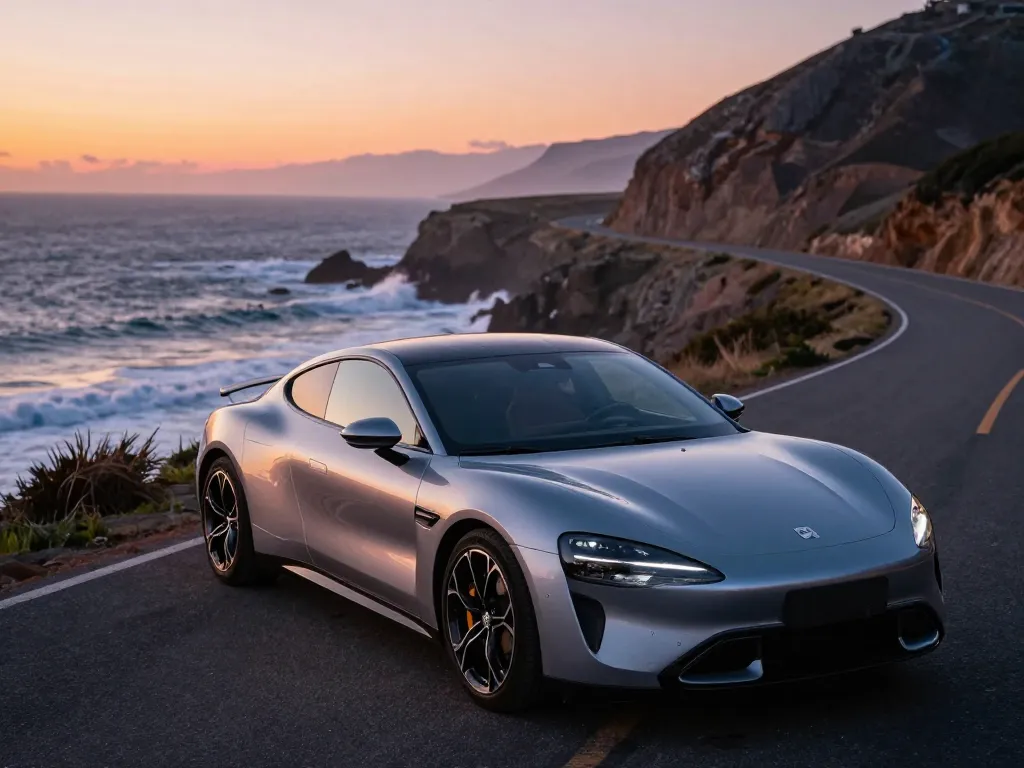
Understanding PPF Winter Road Salt Protection
When winter descends, it’s not just the snow and ice that threaten your vehicle's exterior; road salt poses a significant risk too. This is where Paint Protection Film (PPF) comes into play. By investing in PPF winter road salt protection, you equip your vehicle with an advanced shield against the harsh elements of winter. But what exactly is PPF, and how does it work?
What is PPF and its Benefits?
Paint Protection Film (PPF) is a transparent, durable thermoplastic urethane film applied to the painted surfaces of vehicles. Engineered to withstand significant wear and tear, it acts as a barrier between your car’s paint and external factors such as rocks, debris, and corrosive substances like road salt.
Some key benefits of PPF include:
- Durability: PPF is highly resistant to scratches, chips, and stains.
- Self-healing properties: Minor scratches and swirl marks can heal over time when exposed to heat.
- UV Protection: It protects your paint from harmful UV rays, preventing fading.
- Enhanced Resale Value: A well-maintained exterior retains higher value over time.
- Ease of Maintenance: It simplifies cleaning and reduces the frequency of detailing.
How PPF Works Against Salt Damage
Road salt is notoriously corrosive, and without proper protection, it can lead to rust and degradation of your vehicle's exterior. PPF works by creating an impermeable barrier that prevents salt and moisture from coming into direct contact with the paint. The film is designed to absorb impacts and resist the chemical reactions that salt can initiate, thereby minimizing the risk of damage.
Moreover, PPF is designed to conform seamlessly to the contours of your vehicle, which ensures that every vulnerable area is effectively covered. This thorough coverage is essential as salt can easily infiltrate even the smallest crevices, leading to long-term damage.
Why Winter Protection is Crucial
Winter poses unique challenges for vehicle maintenance. With freezing temperatures, icy roads, and increased use of road salt, the probability of exterior damage escalates. By applying PPF for winter road salt protection, you're not just prolonging the life of your vehicle’s paint; you’re actively preserving its aesthetics and value.
Vehicles without proper protection may face immediate cosmetic damage, which can lead to deeper issues over time. Expensive paint repairs can often be avoided by investing in proactive measures like PPF.
Choosing the Right PPF for Winter
Types of PPF Available
Choosing the right type of PPF requires understanding the various options available. The three primary types of PPF are:
- Standard PPF: Provides essential protection against everyday wear and tear.
- Self-Healing PPF: Offers advanced protection that heals minor scratches through heat exposure.
- Semi-Custom PPF: Made to fit specific vehicle models for maximum coverage.
Consider your vehicle’s needs and driving environment when selecting the most appropriate PPF type. In wintery climates where road salt is prevalent, self-healing PPF is highly recommended for its enhanced durability.
Evaluating Quality and Durability
Not all PPF products are created equal. When selecting a PPF, look for films that offer a sufficient thickness (measured in mils) for better protection. A thickness of 8 mils or higher is often considered high-quality. Additionally, inquire about warranty periods as longer warranties typically indicate better product quality.
Be sure to read reviews and seek recommendations to confirm the durability of the specific PPF you plan to use. Verifiable performance metrics, such as how it withstands extreme temperatures and exposure to saltwater, are crucial in ensuring long-lasting protection.
Choosing Professional Installation Options
While some DIY options exist, professional installation is highly recommended for PPF. Expert installers possess the skills to ensure that the film adheres correctly without bubbles or gaps that could jeopardize its protective properties. Additionally, they understand the best practices for covering intricate areas of your vehicle.
Professionals also often have access to higher-quality materials and equipment, leading to a better overall finish. When selecting a professional installer, seek out those with a solid reputation, adequate experience, and positive customer reviews.
Installing PPF for Winter Road Protection
Preparation Steps for Application
Proper installation of PPF can significantly influence its effectiveness. Begin with a thorough cleaning of your vehicle’s surfaces to remove dirt, grime, and existing wax. This ensures optimal adhesion of the film. Utilize clay bars or detergents specifically designed for auto detailing to eliminate embedded contaminants.
Next, inspect the surface for imperfections. Any blemishes or scratches present before applying the PPF can become trapped under the film, potentially leading to further issues down the line. Address these imperfections before proceeding with installation.
Common Installation Techniques
There are two primary methods used for applying PPF:
- Dry Installation: This method involves peeling the backing off the film and applying it directly to the surface. It requires precision to avoid bubbles.
- Wet Installation: A solution of water and a few drops of soap is used to wet the surface before placing the film. This technique allows for easier repositioning and bubble removal.
Regardless of the method, adequate time should be given for the PPF to settle and cure. Following installation, refrain from washing the car for at least 48 hours to allow the adhesive to bond properly with the paint.
Post-Installation Care Tips
After applying PPF, specific care measures should be observed to maximize its lifespan. For the first week, avoid heavy washing and waxing to allow the film to adhere completely. Use mild soap and soft cloths when cleaning, and do not apply high-pressure washers directly onto the PPF.
Regular inspections help catch any lifting corners or potential damages early. Ensure that the film remains intact, and promptly address any issues with a professional. Proper care and attention will help mitigate damages and keep your vehicle looking pristine through the winter months.
Maintaining Your PPF During Winter
Best Practices for Cleaning
Maintaining PPF during winter involves regular cleaning to prevent the buildup of road salt and other debris. The best approach is to use a pH-balanced soap and a microfiber cloth. Avoid abrasive cleaners and tools that can scratch the film.
When washing the vehicle, focus on areas prone to salt accumulation, such as wheel arches and lower panels. Rinsing thoroughly after washing ensures that no soap residues remain, which can cause clouding over time.
How to Inspect for Damage
Routine inspections are vital to ensure the integrity of PPF. Look for signs such as peeling edges, bubbles, or discoloration. Pay close attention to areas that endure more exposure to the elements, typically the front end of the vehicle.
If you detect any damage, consult with a professional to analyze whether a repair or full replacement is necessary. Regular inspections paired with timely responses to any issues can extend the life of your PPF significantly.
When to Reapply or Replace PPF
PPF doesn’t last indefinitely. Despite its durability, you may need to consider reapplication or replacement based on these factors:
- Visible Wear: If the film shows signs of significant wear such as heavy scratching or yellowing.
- Adhesive Failure: If edges start to peel or the film loosens from the surface.
- Duration: Depending on the quality of the PPF, professional installations can last between 5 to 10 years.
When reapplying PPF, ensure that the underlying paint is in good condition to prevent further issues from arising.
FAQs about PPF Winter Road Salt Protection
What is PPF made from?
PPF is typically made of a flexible thermoplastic urethane that provides an invisible barrier against damage.
How long does PPF last?
When properly maintained, PPF can last anywhere from 5 to 10 years, depending on the product quality and conditions.
Can I wash my car after applying PPF?
Yes, but it’s recommended to wait at least 48 hours after application before washing to allow proper curing.
Is PPF removable?
Yes, high-quality PPF can be safely removed without damaging the car’s paint when done correctly.
Does PPF affect car resale value?
Yes, having PPF can enhance resale value by protecting the paint from chips, scratches, and blemishes.